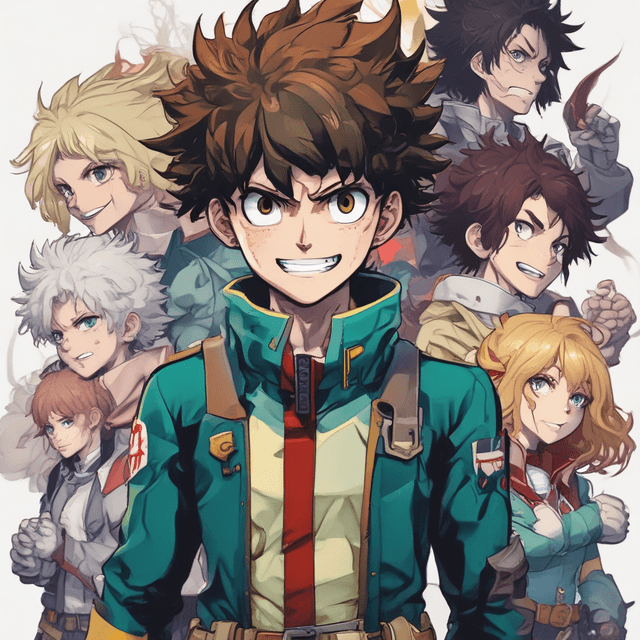
| Notes | Remains a contentious and little-discussed part of the My Hero Academia franchise |
| Title | Lost My Hero Academia |
| Status | Cancelled |
| Project type | Sequel to My Hero Academia |
| Intended focus | Children of original protagonists • Darker themes • Heroic legacies • Burdens of fame |
| Reason for cancellation | Creative conflicts • Leaks • Fan backlash |
"Lost My Hero Academia" was a planned sequel series to the hit anime and manga franchise My Hero Academia, which was ultimately abandoned amidst a storm of controversy in the late 2010s. The project was intended to shift the focus to the children of the original series' protagonists, exploring new storylines and darker themes, but its troubled development ultimately led to its cancellation.
In 2017, series creator Kohei Horikoshi and the publishers at Shueisha announced that a sequel series was in development, tentatively titled "Mha_project_02" or "Lost My Hero Academia." The new series was planned to take place several years after the events of the original, following the journeys of a new generation of young heroes.
Key details revealed about the sequel's initial concept included:
Fans were initially excited by the prospect of seeing the next generation of My Hero Academia heroes, though some expressed concerns about the proposed shift in tone.
As "Lost My Hero Academia" entered active development in 2018, leaks and rumors began to circulate about behind-the-scenes turmoil. Reports emerged of creative clashes between Horikoshi, the editorial team at Shueisha, and the anime production staff. There were debates over the appropriateness of the darker subject matter and whether it would alienate the franchise's broad fanbase.
Further controversy erupted when early character designs and plot details were leaked online, sparking intense fan backlash. Many accused the project of betraying the spirit of the original series, with complaints ranging from the protagonists' troubled backstories to perceived heavy-handed social commentary.
The creative team attempted to address fan concerns, but this only seemed to inflame tensions further. Accusations of censorship and undue publisher interference added to the growing PR nightmare.
In early 2020, Shueisha and the My Hero Academia production committee announced that "Lost My Hero Academia" had been cancelled, shocking many fans. Official statements cited "creative differences" and "concerns about the project's direction" as the reasons, though some insiders alleged that poor test audience reactions and plummeting pre-sales had sealed its fate.
The cancellation was a messy and contentious process, with allegations of last-minute script rewrites, rushed production, and even claims that completed animation had been destroyed. Horikoshi himself remained largely silent, fueling speculation about the depth of the creative conflicts.
To this day, "Lost My Hero Academia" remains a controversial footnote in the franchise's history. While the original My Hero Academia anime and manga continue to enjoy immense popularity, the aborted sequel project casts a long shadow.
Fans remain bitterly divided, with some adamantly defending the creators' artistic vision and others insisting the project was doomed from the start. Unfinished character designs, plot summaries, and even leaked animation continue to circulate online, sparking passionate debates.
The failure of "Lost My Hero Academia" has also been cited as an example of the challenges facing anime and manga producers when adapting beloved properties for new audiences. The delicate balance between honoring existing canon and pushing creative boundaries remains an ongoing issue in the industry.
Ultimately, the cautionary tale of this failed sequel has become a touchstone for discussions around fan expectations, editorial oversight, and the creative risks inherent in expanding beloved fictional universes. The ghosts of "Mha_project_02" continue to haunt the My Hero Academia fandom to this day.
